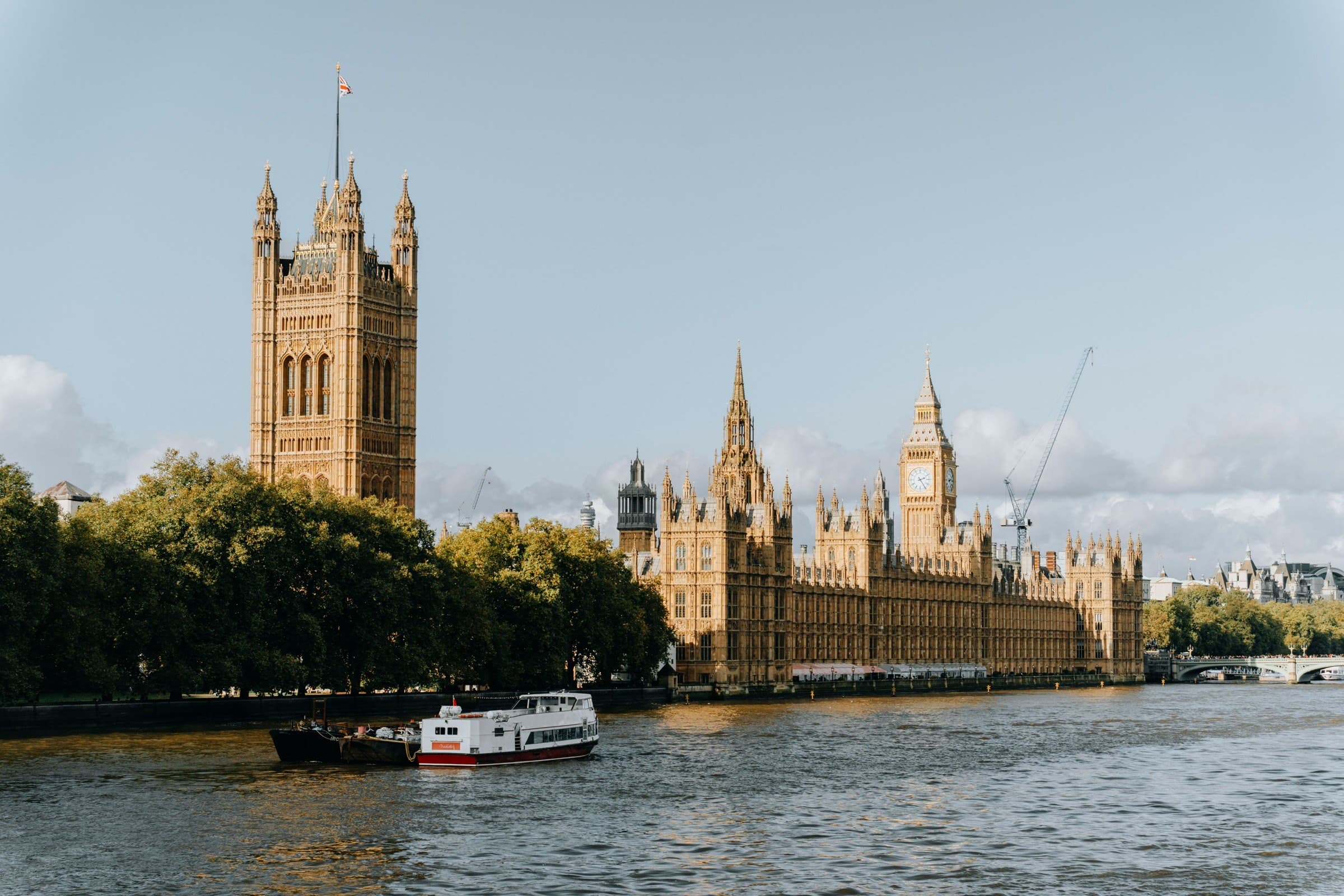
Why study in the UK?
The UK combines some of the world's oldest and most respected universities with shorter course lengths than many competing destinations, and a long established system specifically built around international students.
According to the QS World University Rankings 2026, the UK has four universities in the global top 10, and its three year bachelor's degrees mean students typically graduate, and enter the workforce or further study, a year earlier than in the US or much of Europe. The UK also has one of the largest international student populations in the world, with well developed support systems at most universities specifically for students arriving from overseas.
The UK's higher education system explained
UK universities offer both bachelor's and master's degrees, and while there's no single official ranking tier the way Australia has its Group of Eight, a small number of research intensive universities, often grouped under the Russell Group, are generally regarded as the country's most research focused institutions.
A standard bachelor's degree is typically three years in England, Wales and Northern Ireland, extending to four years with a placement or foundation year, or as standard in Scotland. A master's degree is usually one year if taught, or two years or more if research based, noticeably shorter than the two year master's more common in the US. Entry to a bachelor's degree is generally made through UCAS, the UK's centralised application system, while master's applications are usually made directly to each university.
The Russell Group is an informal association of 24 research intensive UK universities, including Oxford, Cambridge, Imperial College London, UCL and the London School of Economics, generally regarded as strong for research output, though strong courses genuinely exist well beyond this group too.
Which are the best universities in the UK?
Based on the QS World University Rankings 2026, the UK has several universities in the global top 20, led by a small group that consistently appears near the very top of most major international tables.
A note on rankings: UK domestic tables (the Complete University Guide, the Guardian, and the Times) frequently disagree with each other on the same universities, since they weigh entry standards, student satisfaction, research quality and graduate outcomes differently. A university ranked highly overall on one table can rank quite differently on another. Compare course specific data directly through Discover Uni, particularly graduate earnings, continuation rates and student satisfaction, rather than relying on a single overall ranking.
Which universities are strongest by subject?
Subject strength varies meaningfully by university, and UK institutions rank particularly strongly in specific fields such as Medicine, Law and several Engineering disciplines across a number of tables, including QS's subject specific rankings.
For subject specific guidance alongside university selection, see our dedicated guides: Bachelor's in Business and Management, Bachelor's in Law, Bachelor's in Engineering, Bachelor's in Computer Science and Bachelor's in Psychology, each covering what you'll study and where it can lead, alongside country specific context here.
What does it cost to study in the UK?
Tuition for international students in the UK typically ranges from around £15,000 to £45,000 per year depending on the course and university, with Medicine and a small number of specialist courses costing considerably more.
For your student visa application, the UK government currently requires you to demonstrate access to £1,171 per month outside London, or £1,529 per month in London, for up to 9 months, on top of any outstanding tuition fees, a figure that increased in January 2025 and is reviewed periodically. Real living costs vary by city, London is significantly more expensive than most other UK student cities, and it's worth budgeting realistically for your specific location rather than relying on the visa minimum alone.
How do you apply for a bachelor's or master's degree in the UK?
Bachelor's applications are made centrally through UCAS, while master's applications are typically made directly to each university you're interested in.
For a bachelor's degree, international qualifications (the IB, US high school diplomas, and many others) are assessed against UK entry requirements, usually expressed as a specific grade profile for each course rather than a single universal cut off. For a master's degree, most taught courses require a relevant bachelor's degree with a specific minimum classification (commonly a 2:1 or equivalent), while research based master's programmes often also expect a research proposal or direct contact with a potential supervisor. Always check individual university requirements directly, since equivalency standards vary between institutions.
The student visa: what you need to know
The Student visa (the modern successor to what was previously called Tier 4) is required for most international students studying a UK course longer than 6 months, and comes with specific financial, English language and sponsorship requirements.
Key requirements include a Confirmation of Acceptance for Studies (CAS) from your university, proof of English proficiency (commonly CEFR B2 or above for degree level study), evidence you meet the financial requirement covered above, and payment of the Immigration Health Surcharge (IHS), which gives you access to the NHS while studying. Science and Engineering applicants from some countries may also need an ATAS certificate (Academic Technology Approval Scheme) for certain sensitive subjects. Visa and IHS fees increased from 8 April 2026, so figures from before that date are already out of date, always check the current fee directly rather than relying on anything published earlier.
Important: UK student visa fees and financial requirements have changed more than once over the past two years alone, and the post study Graduate Route is scheduled to shorten for applications submitted from 1 January 2027 onwards. Always confirm the current fees, financial requirement and route details directly on GOV.UK before applying, figures in this guide reflect the position as of publication but are not guaranteed to still be current by the time you read this.
Can you work while studying in the UK?
Yes. Most Student visa holders can work up to 20 hours per week during term time, with no cap during official holiday periods, though exact limits can depend on your specific course and sponsor, so check your visa conditions directly.
Working part time is a common way to help cover living costs, though as with Australia, the UK government treats work income as supplementary rather than something you can rely on to meet the visa's financial requirement itself.
What happens after you graduate? The Graduate visa
The UK's post study work option is the Graduate visa, letting eligible graduates stay and work, or look for work, in the UK without needing employer sponsorship straight away.
As things currently stand, the Graduate visa lasts 2 years for bachelor's and master's graduates, and 3 years for PhD graduates, with an application fee of £937 plus the Immigration Health Surcharge, both increased from 8 April 2026. Most graduates use this period to find employment and then switch to a Skilled Worker visa with employer sponsorship, which can lead toward Indefinite Leave to Remain over time.
This route is genuinely changing soon. Announced changes would shorten the Graduate visa from 2 years to 18 months for applications submitted from 1 January 2027 onwards. If the timing of your graduation is close to that date, this is worth checking directly and specifically before finalising your plans, rather than assuming the current 2 year figure will still apply.
What are government and university scholarships available?
Several government funded and university specific scholarships are available to international students in the UK, ranging from full funding to partial tuition contributions.
Chevening Scholarships, funded by the UK government, offer full funding for one year master's study for students from eligible countries, generally aimed at future leaders and decision makers, with a competitive annual application process. Commonwealth Scholarships offer funding for students from Commonwealth countries at various study levels, depending on your home country's income classification. Most universities also run their own merit based scholarships specifically for international students, often reducing tuition by a fixed amount or percentage, worth checking directly on top of these national programmes.
What are the best cities to study in the UK?
The UK's major student cities each offer a different balance of university choice, cost of living and lifestyle.
London offers by far the largest number of universities and the strongest connections to finance, consulting, media and international business, though it's also the most expensive UK city by a significant margin. Manchester, Birmingham, Edinburgh, Glasgow, Leeds and Bristol all offer strong universities with a considerably lower cost of living than London, alongside their own distinct graduate job markets. Smaller cities such as York, Bath and Durham offer a different, more compact student experience, often with strong individual universities rather than a large citywide choice.
What are employment prospects like after studying in the UK?
The UK offers a structured route from study to work to, potentially, permanent settlement, though it requires planning ahead, particularly around the Graduate visa's time limit and the switch to sponsored employment.
After completing your degree, the Graduate visa lets you work in the UK without needing employer sponsorship, giving you time to build local experience and find a role. From there, many graduates move onto the Skilled Worker visa, which requires a job offer from a licensed sponsor at or above a minimum salary threshold, as a pathway toward longer term settlement. This is a genuinely complex and frequently updated area of immigration policy, so treat this as a starting orientation rather than migration advice, and consult a registered immigration adviser or GOV.UK directly for guidance specific to your situation.
Curious what studying in the UK is actually like day to day? Read real Student Experiences from current students, in their own words.
Not sure which course actually fits your grades and interests? Try StudyDecidr's free course matching tool to get a curated shortlist.
Sources and methodology
Dated statistics used in this guide: ranking data is from the QS World University Rankings 2026. Visa fees, financial requirements and the Graduate visa duration reflect the position as of the fee changes on 8 April 2026 at the time of writing.
Why the visa figures carry extra caution: UK student and graduate visa policy has changed more than once over the past two years alone, including a rise in the financial requirement in January 2025, fee increases from April 2026, and an announced shortening of the Graduate visa from 2027. Treat every figure in this guide as a starting point for research, not a final answer, and always verify current fees, durations and eligibility directly on GOV.UK (gov.uk/student-visa) before applying.
General claims (typical course structure, city comparisons, scholarship overviews) reflect current publicly available information rather than a single official source, so always check directly with the relevant university or scholarship provider.